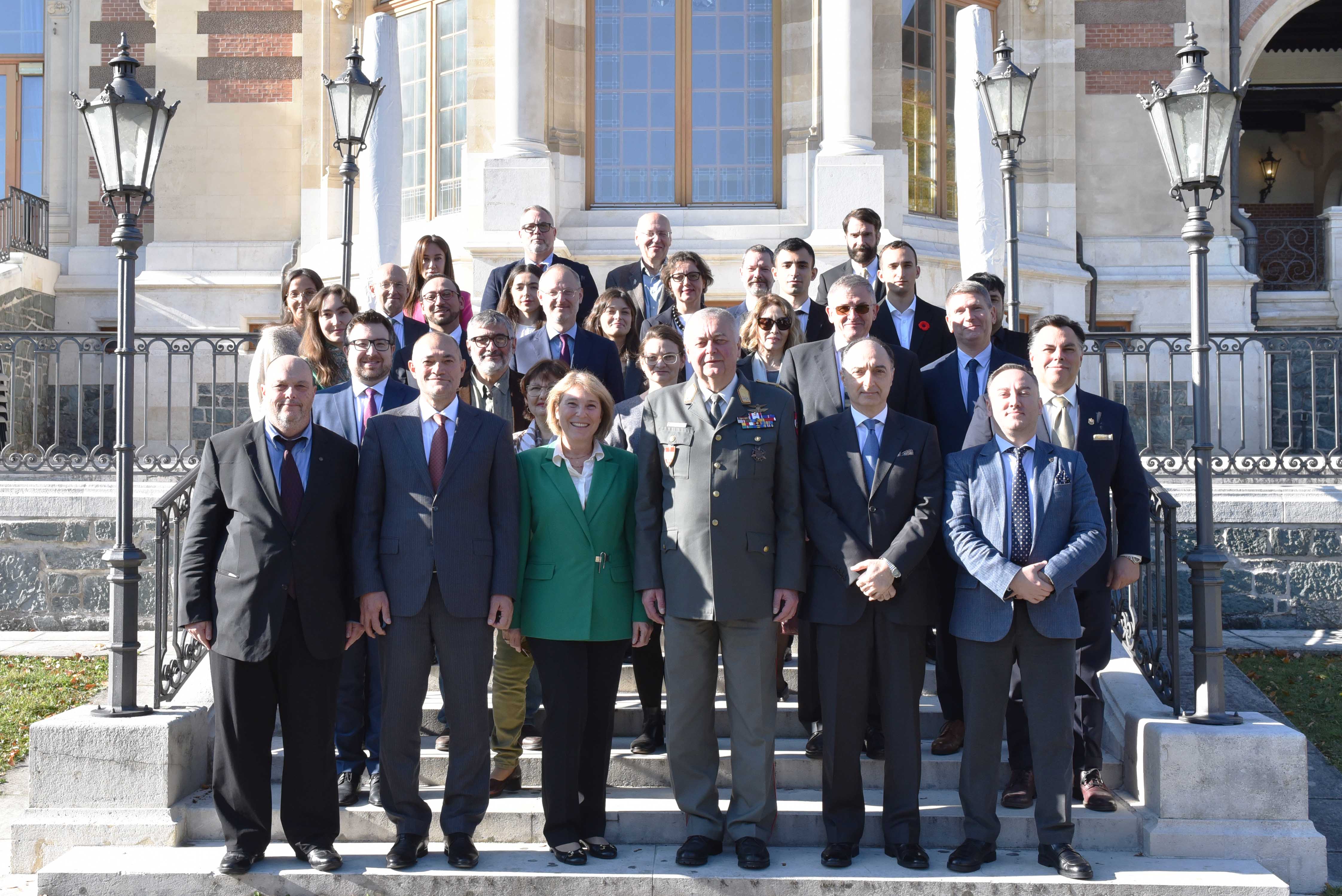
8 November 2026 – The Partnership for Peace Consortium of Defence Academies and Security Studies Institutes (PfPC), in cooperation with the Austrian National Defence Academy and the General Directorate for Defence Policy, convened the 32nd workshop of the Regional Stability in the South Caucasus Study Group (RSSC) from 5 to 8 November 2026 at the Seminar Center Reichenau, Austria.
Held under the theme “Water Security: Challenges and Policy Options for the South Caucasus States,” the workshop brought together defence educators, experts, academics, and practitioners to examine the impact of water security on regional stability and opportunities for cooperation across the South Caucasus.
Water Management as a Platform for Regional Cooperation
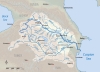
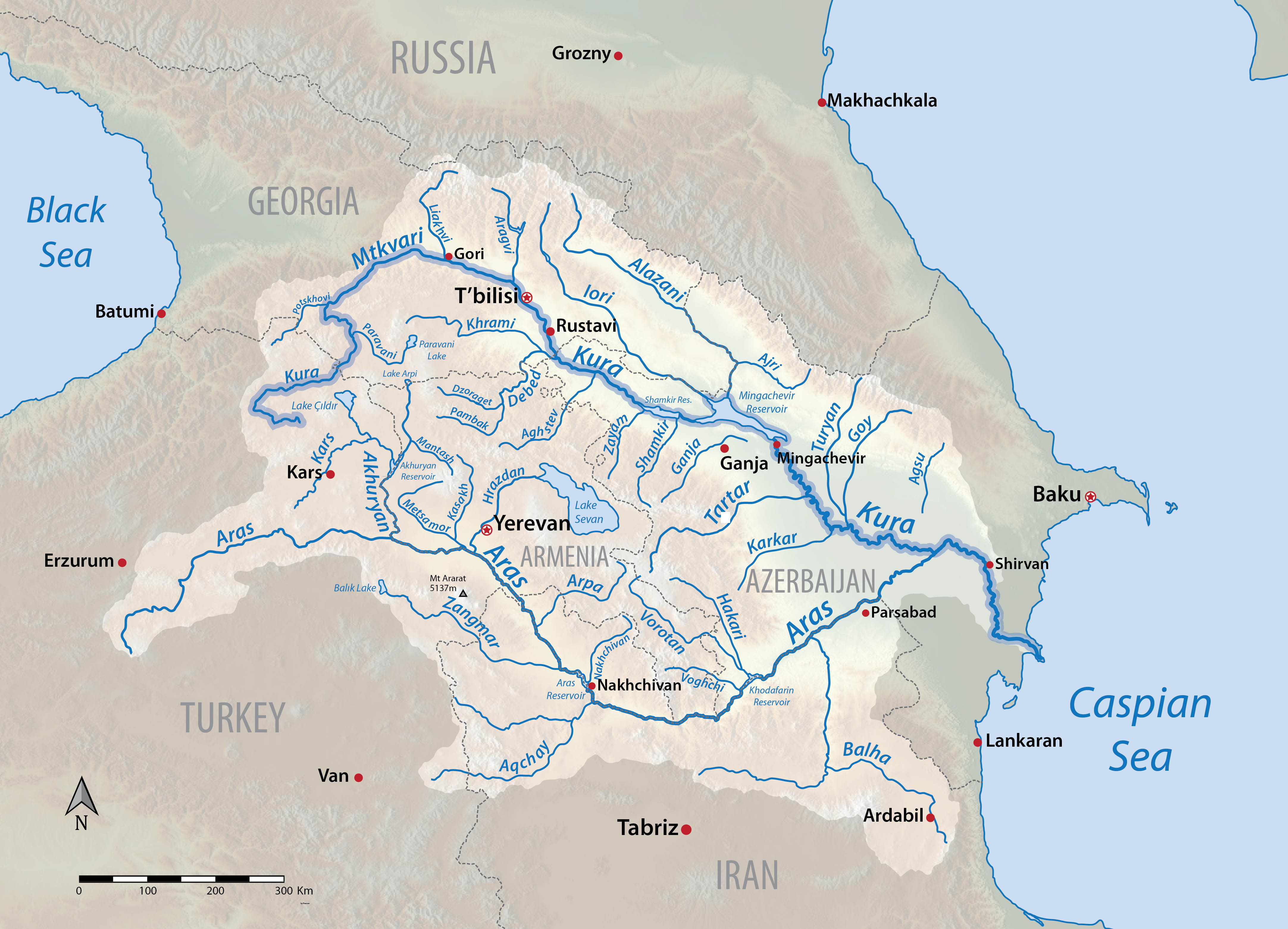
The workshop explored the growing security implications of water management in the South Caucasus, highlighting opportunities for cross-border cooperation. Particular attention was given to the Kura-Aras River Basin, which extends across the region and connects Georgia, Armenia, and Azerbaijan with neighbouring countries, including Türkiye and Iran.
Participants highlighted a range of shared water-related challenges facing the countries of the South Caucasus, including declining groundwater levels due to mismanagement and inefficient water use, ageing Soviet-era infrastructure, water scarcity and drought, and environmental pollution. Addressing these challenges will require sustainable, coordinated approaches that transcend national borders. Such cooperation could also serve as an important confidence-building measure in support of the ongoing peace process between Armenia and Azerbaijan.
Developing Practical Policy Options
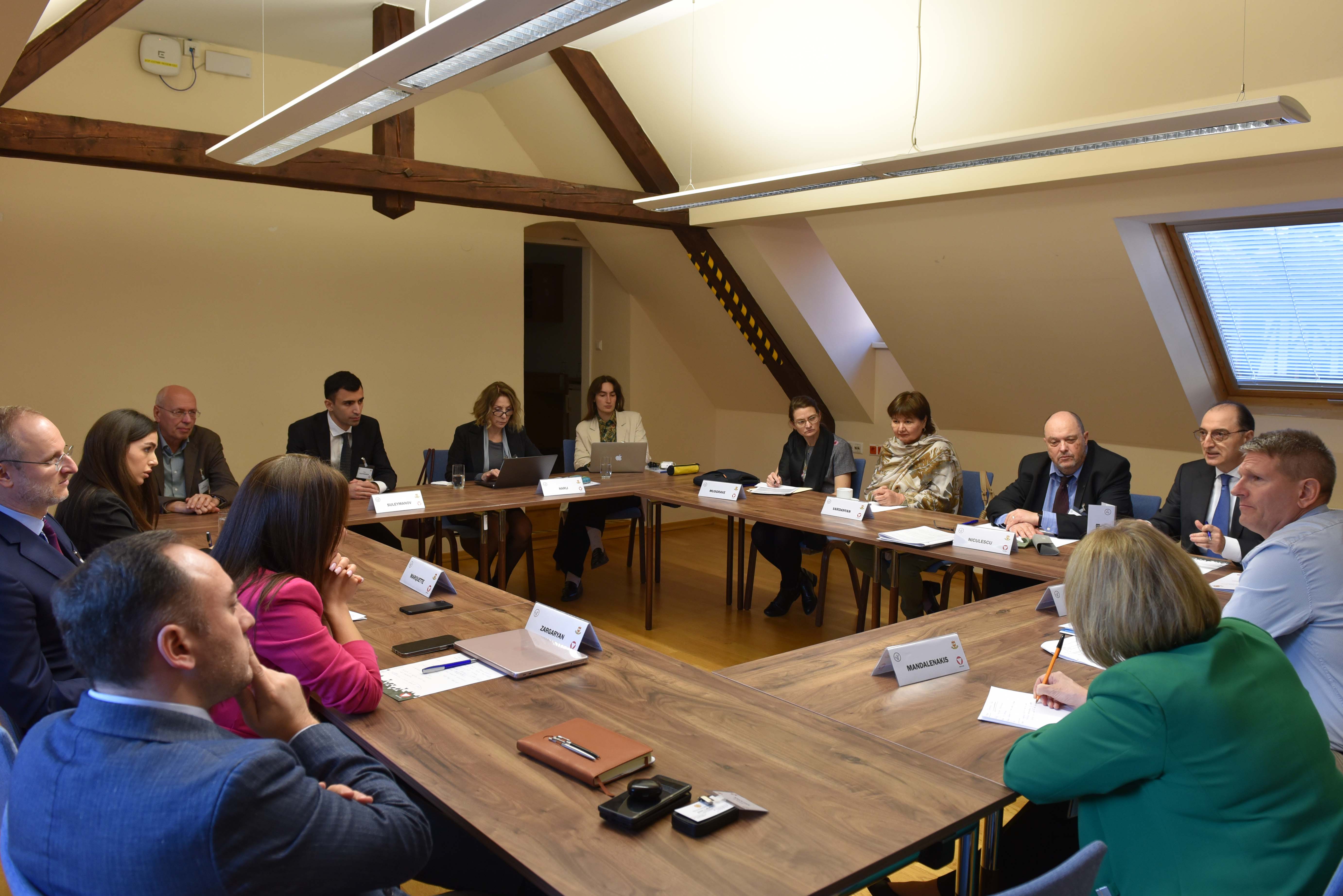
Discussions continued in two facilitated working groups, where participants explored practical policy options tailored to the specific needs of Georgia, Armenia, and Azerbaijan. The discussions underscored that successful cooperation must be built on mutual trust and informed by scientific evidence rather than political considerations alone.
A key conclusion was the need to establish transparent, objective, and jointly managed mechanisms for data collection and analysis. Participants stressed that reliable, shared data are essential for effective water governance and the development of evidence-based regional solutions.
“Food for Thought” Discussion Examines Broader Regional Developments
For more than a decade, the RSSC Study Group has provided a platform for international and interdisciplinary dialogue aimed at promoting stability and peace in the South Caucasus. Its mission remains particularly relevant as the Armenian-Azerbaijani peace process continues amid persistent challenges and delays.
The workshop concluded with a “Food for Thought” discussion, which broadened the focus beyond the main conference theme to address wider political developments in the region. Participants exchanged views on the current state of the peace process, as well as Georgia's continuing geopolitical isolation and its implications for regional security.
The workshop's policy recommendations will be finalised and disseminated through the PfPC network to relevant policymakers, practitioners, and academic stakeholders in the coming weeks, contributing to ongoing discussions on regional stability, cooperation, and sustainable resource management in the South Caucasus.
Previous News
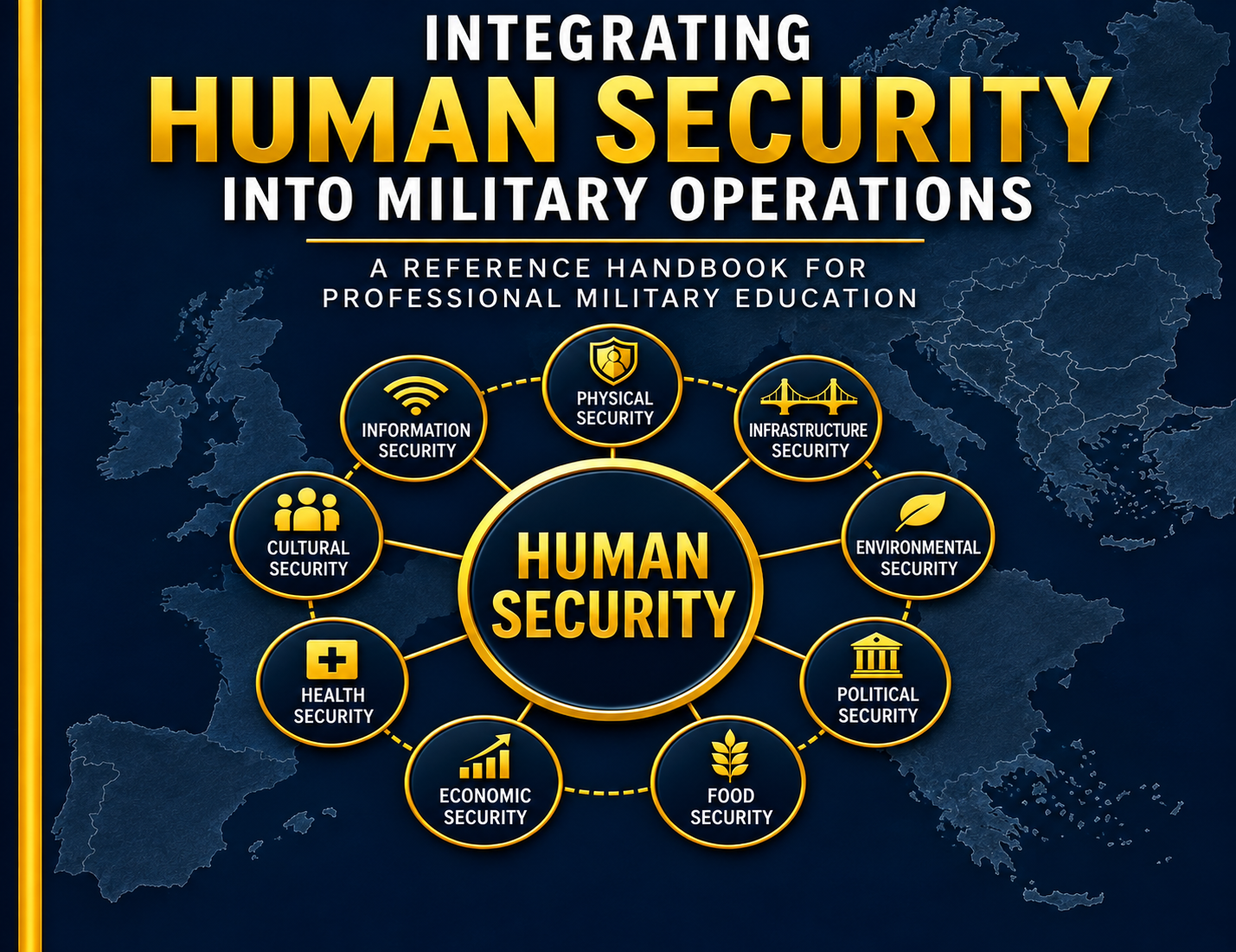
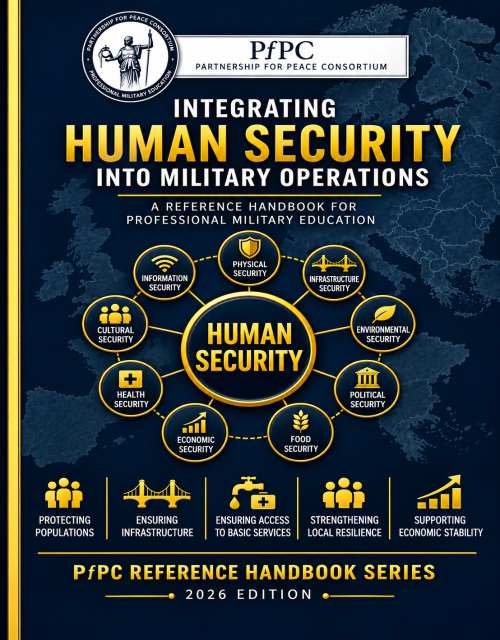
The Partnership for Peace Consortium of Defence Academies and Security Studies Institutes (PfPC) has published a new reference handbook designed to support the integration of Human Security considerations into Professional Military Education (PME) across NATO Allies and partner nations.