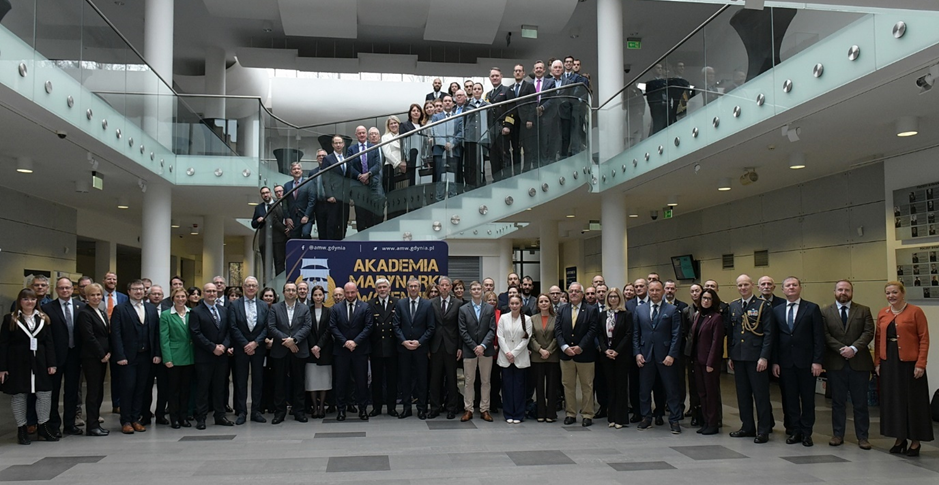
GDYNIA, Poland—The Partnership for Peace Consortium (PfPC) convened military leaders, educators, and security and defense practitioners from 25 nations and NATO in Gdynia, Poland, from De. 9-12, 2025, for the 2025 PfPC Capstone. Hosted by the Polish Naval Academy, named after Heroes of the Westerplatte, and Polish Ministry of Defence, the event combined annual governance meetings with a scholarly conference on human security, which examined how human-centric security enhances military effectiveness and societal resilience.
Human Security and the Changing Character of War
Warfare affects entire societies physically, psychologically, and economically. In his opening remarks, RADM Tomasz Szubrycht, Ph.D., professor and rector-commandant of the Polish Naval Academy, emphasized the need to prepare civilian populations, in addition to the armed forces, for the realities of contemporary armed conflict. Invoking the Academy’s traditional motto, he reframed it for the current era: “We used to say, ‘sea power through knowledge,’ and now we can say ‘effective defense through knowledge.’” True resilience, he argued, requires mental and physical preparedness across society.
Dr. Jacek Siewiera, former head of Poland’s National Security Bureau, reinforced this perspective in his keynote address. A medical doctor and attorney by training, Dr. Siewiera challenged participants to reconsider what nation-states are ultimately defending. He framed human security around three interconnected pillars: demography, cultural identity, and the evolving impact of artificial intelligence on perceptions and decision-making.
Dr. Siewiera warned that Europe faces a profound challenge: “We are losing the most critical resource, and that resource is the human.” On culture, he argued that Europe must not cede the strategic narrative space to external powers, and on artificial intelligence, he cautioned that over-reliance on algorithmically generated content risks cognitive overload and a degradation of creative, contextual human judgment—the very qualities that distinguish effective leadership in complex environments. Throughout, his message was clear: the human dimension is not peripheral to security; it is the object of defense itself.
From State Security to People-Centric Defense
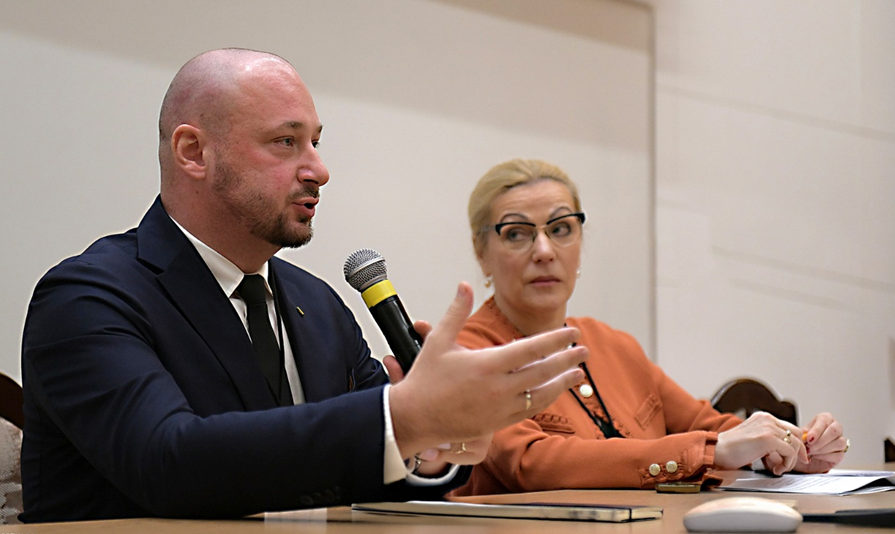
Subject-matter experts discussed human security and its relationship with traditional state-centric security. Rather than viewing these as competing priorities, speakers emphasized their mutual dependence: safeguarding individuals and communities strengthens overall physical security, while threats to human security, such as foreign influence operations and mass displacement, ultimately undermine state resilience.
Sarah Jane Meharg, Ph.D., deputy director for research at the Canadian Armed Forces’ Dallaire Centre of Excellence for Peace and Security, and Greta Keremidchieva, Ph.D., director of language training at Bulgaria’s Rakovski National Defence College, traced the conceptual shift from conventional theories of state-centric security toward a focus on the human dimension of an increasingly “total” security. Contemporary challenges blur traditional boundaries between military and civilian sectors, they noted, requiring defense institutions to integrate resilience, essential services, and civil-military cooperation into education and operations, particularly in urban and crisis-prone environments where military action directly affects civilian life.
Ms. Virpi Levomaa of Finland, from NATO’s Integrated Security Branch and Wing Commander James Lambert, human security lead at the UK Ministry of Defence Cyber and Specialist Operations Command, addressed operational implications. Levomaa noted that the 2022 NATO Strategic Concept formally tasked the Alliance to implement human security and Women, Peace and Security principles, while Lambert emphasized that human security represents a military operational advantage, not a humanitarian add-on. Hybrid threats increasingly target civilian perceptions, behaviors, and social cohesion through cognitive and informational means rather than kinetic force.
Colin Magee, Ph.D., Senior Evaluator at the Dallaire Centre in Canada, highlighted the importance of establishing a shared military definition to avoid conceptual ambiguity. Armed forces already address many human security elements in practice, he noted, but by applying a deliberate human-centric lens, commanders can better anticipate second- and third-order effects that shape long-term outcomes such as infrastructure damage, displacement, and trauma. Protecting populations, preserving dignity, and understanding local perceptions are operational necessities, not humanitarian luxuries.
From Discussion to Practice: Exploring Human Security Themes
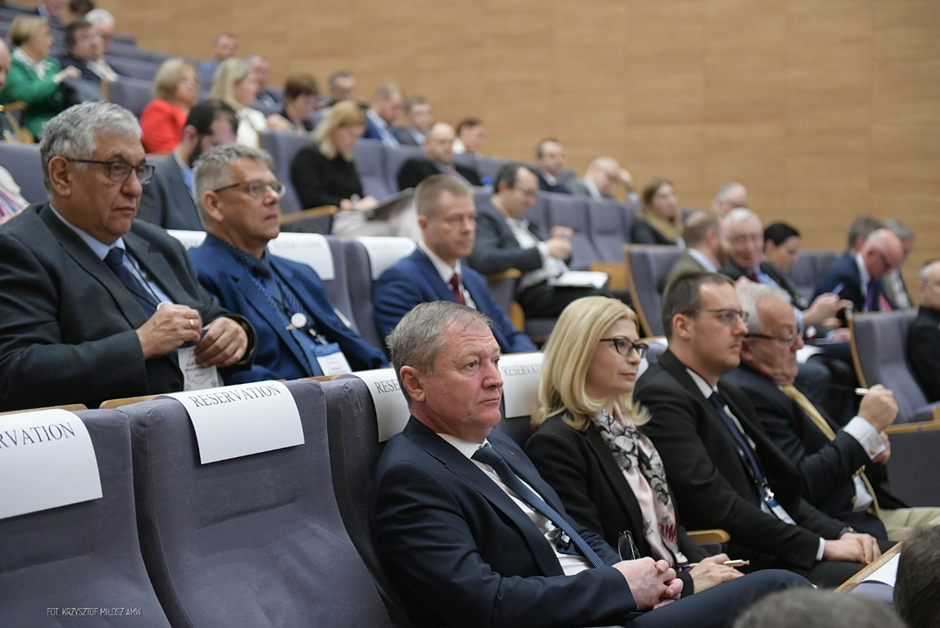
A series of fast-paced Lightning Talks introduced themes that participants subsequently explored in depth through breakout sessions. Presenters examined how modern warfare deliberately targets human vulnerabilities, such as identity, social roles, trust, and social cohesion, to weaken societies before or alongside the application of force. Two new practitioner resources were highlighted: Ms. Rebecca Mikova, of the Geneva Centre for Security Sector Governance (DCAF) presented on the recently released Human Security Provisions in Ceasefire and Peace Agreements report, while Ms. Nathalie Gendre and Iryna Lysychkina, Ph.D. introduced the updated Teaching Gender in the Military handbook for professional military education institutions.
Participants then divided into four concurrent breakout sessions to examine specific challenges: the treatment of women, children, and vulnerable groups in conflict zones; human security threats to national resilience, with case studies from the South Caucasus; human security provisions in ceasefire and peace agreements; and the role of human security in warfighting contexts. Each group reported findings back to the plenary.
Several themes emerged across the breakout discussions. While human security principles (freedom from fear, want, and to live in dignity) are widely accepted, implementation remains uneven and often leadership-dependent rather than institutionally embedded. Participants emphasized early integration into planning assumptions rather than reactive responses, systematic data collection using age- and gender-disaggregated information, and a practical framework of “dignity, data, and dialogue” for protecting vulnerable populations while supporting mission objectives. The group examining ceasefire agreements noted that approximately 80 percent of such agreements fail, and unsuccessful agreements tend to inadequately address human security factors, leaving them vulnerable to exploitation by spoilers and hybrid threats.
Education emerged as the critical link across all four groups. Human security principles must become standard professional competencies embedded in curricula with case studies and operational examples or else risk being sidelined under operational pressure. The tension between Allied normative commitments and standards and adversary exploitation of these constraints does not invalidate human security approaches; rather, it reinforces the need for clearer framing, leadership ownership, knowledge development, and institutional support.
The Baltic Sea Region: Human Security Under Hybrid Pressure
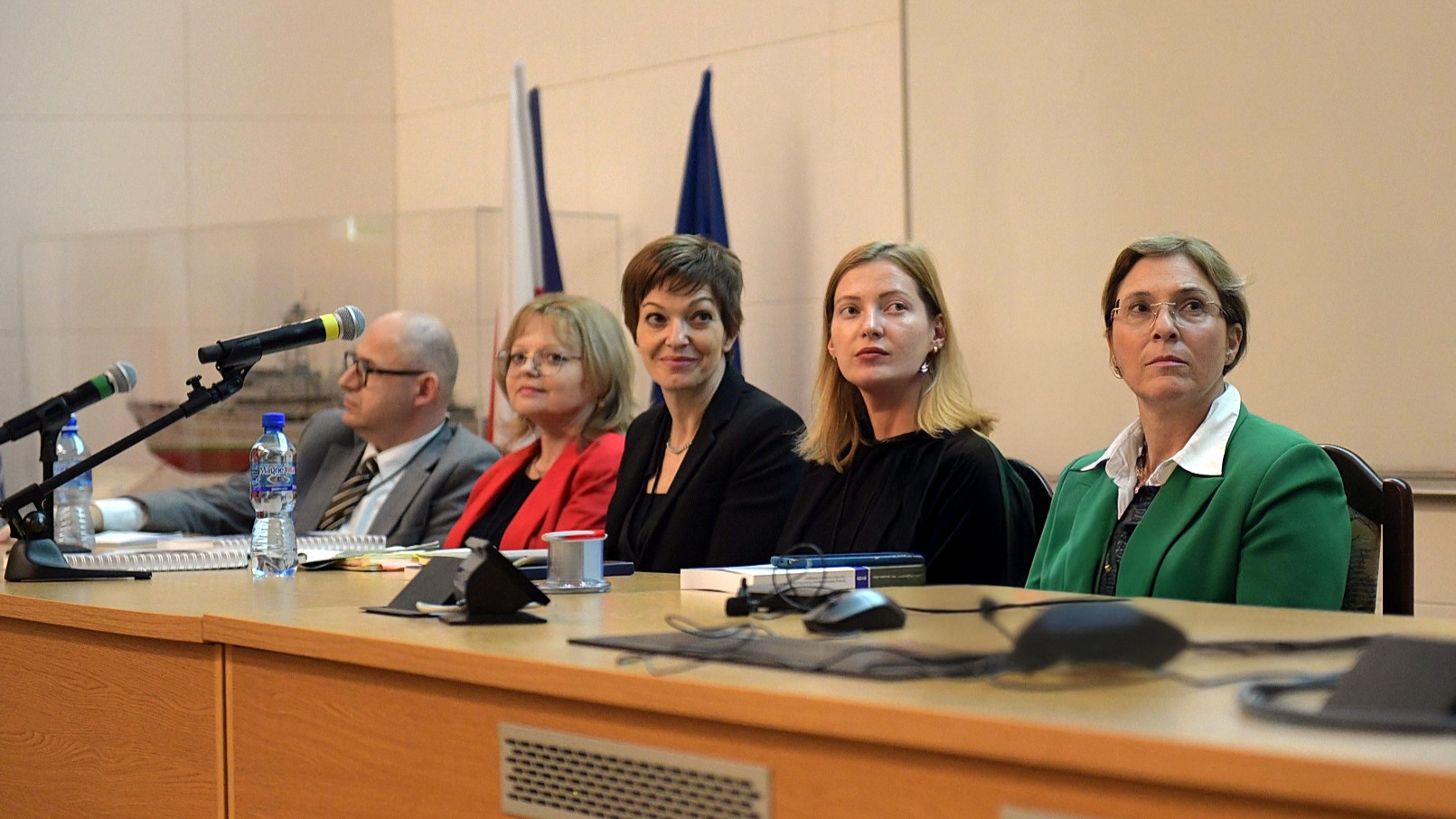
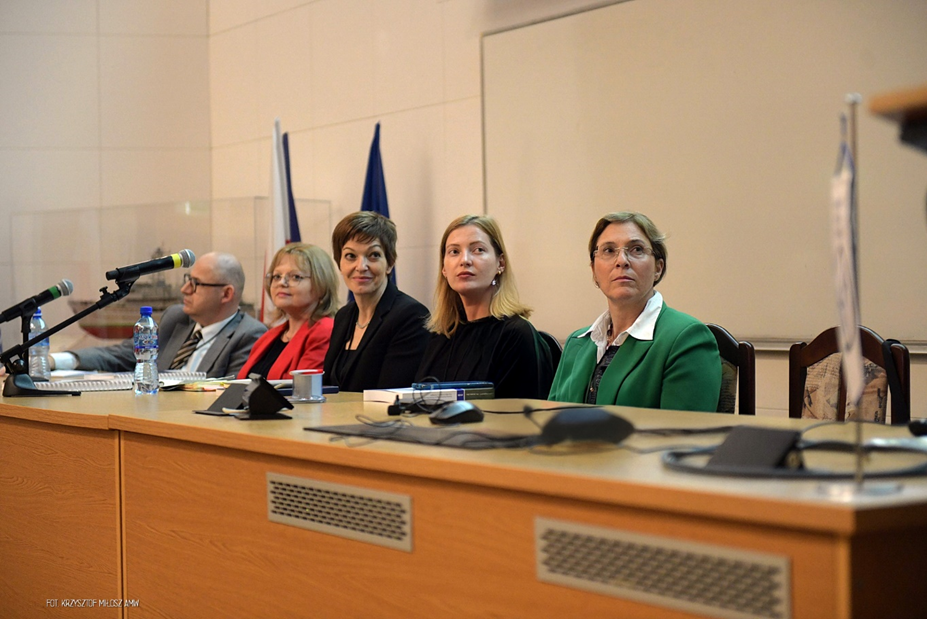
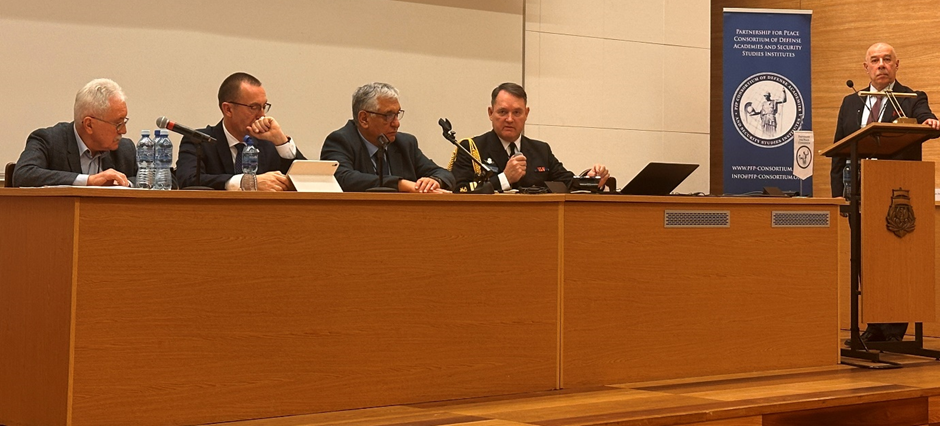
A closing panel of senior military leaders examined how human security is challenged by hybrid threats in the Baltic Sea region. Chaired by RADM (Ret.) Piotr Stocki, head of the Rector’s Office at the Polish Naval Academy, former Commander of the Maritime Unit of the Polish Border Gurard, the discussion focused on threats that target populations, infrastructure, and information systems below the threshold of armed conflict and on the interventions required to counter them.
Panelists described a threat environment characterized by cyber-attacks, disinformation, economic coercion, weaponized migration, and psychological operations conducted through social and traditional media. LTG (Ret.) Tomasz Piotrowski, former operational commander of the Polish Armed Forces, emphasized that Russia excels at “activities under the threshold of war.” CAPT Jon von Weissenberg, Finnish Defence Attaché to Poland, reinforced this point, noting that Russia is already conducting hybrid operations targeting societal wellbeing through attempts to erode trust in democratic institutions. “Social cohesion,” he observed, “is a kind of deterrence.”
The discussion bridged the Baltic and Black Sea regions, highlighting interconnected threats across Europe’s maritime flanks. Flotilla Admiral (Ret.) Boyan Mednikarov, professor and former rector of Bulgaria’s Nikola Vaptsarov Naval Academy, described the mine threat that emerged following Russia’s full-scale invasion of Ukraine, the ecological catastrophe following the destruction of the Kakhovka Dam in June 2023, and risks posed by Russia’s “shadow fleet” of aging tankers operating without proper insurance or safety standards near European coastlines. VADM (Ret.) Stanisław Zarychta, Ph.D., former commander of Poland’s Maritime Operations Centre, catalogued threat categories affecting the region—hybrid operations, digital vulnerabilities, cognitive warfare, energy infrastructure risks, and environmental issues—while calling for strengthened civil society resilience and enhanced societal cohesion.
Panelists converged on several priorities: resilience, deterrence, and comprehensive security supported by cross-border cooperation and public-private partnerships. Von Weissenberg described Finland’s “comprehensive security model,” in which state and citizens share responsibility for national defense. Drawing lessons from Ukraine, panelists noted the value of distributed resilience, civil society as a strategic asset, and clear and credible communication at speed and scale. In his summary, Stocki called for integration of human security into military planning, information systems that keep civilian populations informed, strengthened civil-military cooperation, and preparation for multidomain crisis response involving the whole of society.
Athena Award
The conference also included the announcement of the 2025 PfPC Athena Award, which recognizes the best scholarly article published in Connections: The Quarterly Journal during the previous year. This year’s award was presented to Valeria Chelaru, Ph.D. for her article, “Kremlin’s ‘war on terrorism’ in the Northeastern Caucasus: how Chechnya still ‘saves’ Russia,” which examines the Kremlin’s enduring counterterrorism narrative and its implications for Russia’s relationship with Chechnya. The Editorial Board cited the article’s methodological rigor, analytical depth, and relevance to current security dynamics. Honorable mentions were awarded to Mikael Weissmann, Ph.D. for his analysis of foreign and Chinese influence in Serbia and the Western Balkans, and Peter Kent Forster, Ph.D. for his examination of the implications of Russia’s war in Ukraine for global terrorism. The 2025 award was sponsored by the Polish Association for Security and the Defense Education Enhancement Program eAcademy.

Activities and Cooperation
The conference featured several other interactive activities and opportunities for discussions. In a marketplace session, participants networked with one another while reviewing publications, posters, and demonstrations from PfPC working groups.
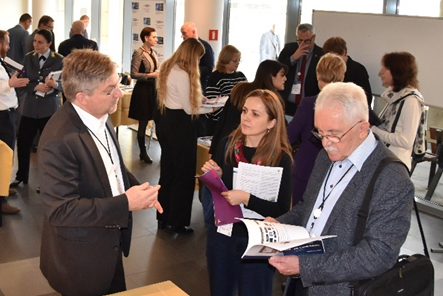
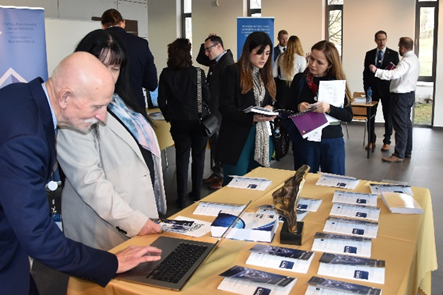
Participants exchange information and publications during the marketplace session. PfPC Secretariat Photos.
Several discussions pointed to the importance of engaging younger generations. Introducing human security concepts early in professional development helps shape how future leaders approach complex operational environments. This message complemented the PfPC’s own initiative to incorporate younger generations into its community of practice. In his closing remarks, BG (Ret.) Rolf Wagner, German deputy director of the George C. Mashall European Center for Security Studies and chair of the PfPC Senior Advisory Council, noted his appreciation for the involvement of early-career participants throughout the Capstone. (Participants, aged 35 or younger comprised nearly 20 percent of attendees.) Strengthening pathways for young professionals to contribute meaningfully is essential for sustaining institutional knowledge and continuity across the Consortium.
Conclusion
The 2025 Capstone highlighted the PfPC’s unique value as a platform for advancing education, cooperation, and shared understanding in support of collective security. It also revealed the growing consensus across the Euro-Atlantic community: protecting the human domain is not peripheral to military success. As armed conflicts become more complex, the ability to understand and safeguard people, societies, and perceptions will increasingly define strategic advantage.
Wagner tasked the PfPC’s newly established Human Security Operations Working Group to operationalize human security concepts and integrate them into professional military education across the Partnership. Additional photos of this event are available from the Polish Naval Academy. The next PfPC annual conference is planned for spring 2027.
Next News

Istanbul, Türkiye - The Partnership for Peace Consortium’s Advanced Distributed Learning (ADL) Working Group convened in from 8–12 September 2025 in Istanbul, hosted by the Maritime Security Centre of Excellence and co-located with the NATO Training and Technology Conferenc
Previous News

From 5–7 August 2025, the Partnership for Peace Consortium (PfP-C) Irregular Warfare and Hybrid Threats Working Group convened at the European Centre of Excellence for Countering Hybrid Threats (Hybrid CoE) in Helsinki to examine the growing phenomenon of proxies in hybrid warfare.